
Controversial: Olive Garden’s “unlimited” breadsticks are a real deal only if you plan to eat more than a few.
Server speed and timing matter.
Breadsticks lose their soft, buttery peak after about seven minutes.
If your server keeps refills coming you get serious value.
If they don’t, the offer collapses fast.
This review breaks down who benefits, when to order the combo, and how to time refills so you get the best breadstick per dollar.
Immediate Value Breakdown of Olive Garden’s Unlimited Breadsticks
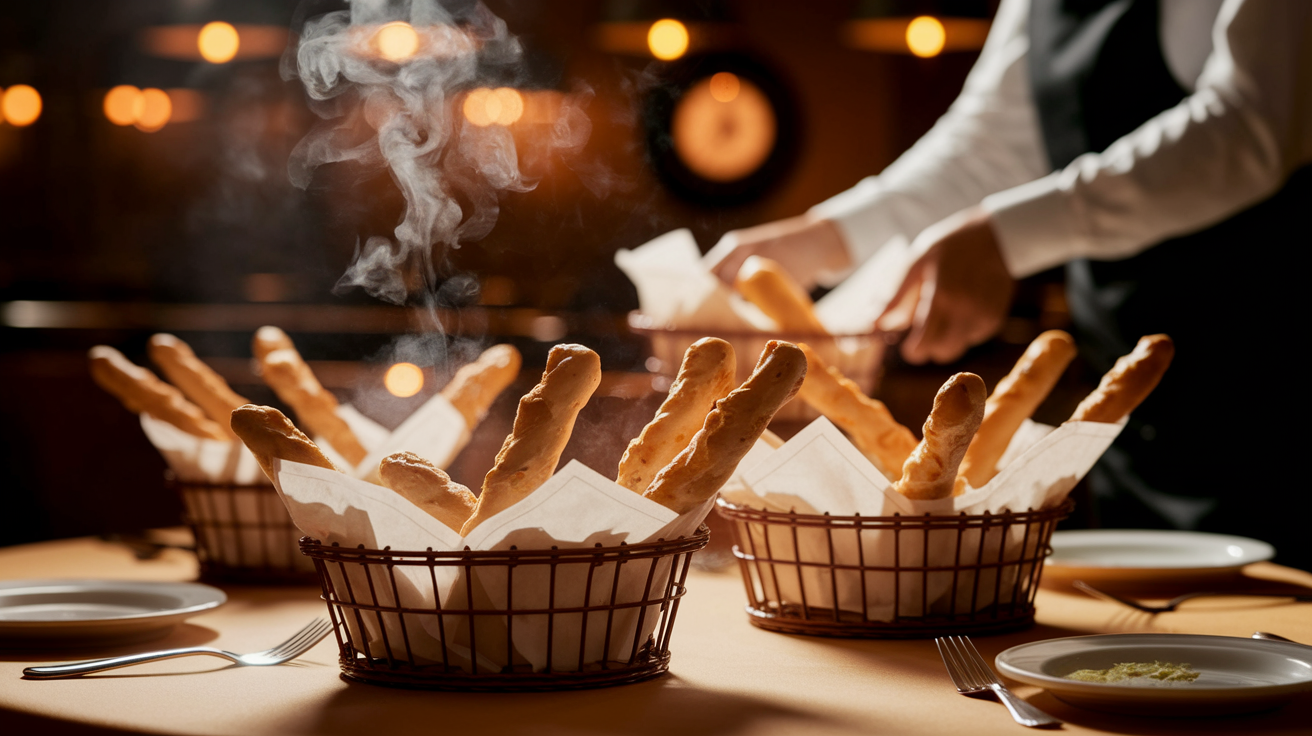
Olive Garden’s unlimited breadsticks are worth it if you’re hungry and ready to eat more than four or five sticks. Your first basket shows up with one breadstick per person plus one extra (they call it a “conversation starter”), and you can keep asking for refills as long as you’re sitting there. But here’s the thing: according to a 2014 investor report that tore apart the chain’s cost structure, breadsticks start losing quality after about seven minutes on the table. So timing your refills actually matters.
The deal only works when you’re eating inside. They cut unlimited refills for takeout during COVID and never brought them back. If you’re dining in and your server keeps the baskets moving, the value stacks up fast. Garlic butter, carbs, zero extra cost per refill. When baskets sit too long or your server vanishes mid-meal, the appeal drops because breadsticks cool down and lose that soft center.
What drives the value:
- Quantity potential – No corporate cap means heavy eaters can power through ten or more sticks during one meal.
- Freshness window – That seven-minute quality drop means you need steady refills to keep things warm and soft.
- Taste appeal – Garlicky, buttery, Parmesan-dusted. Widely popular even though they’re closer to “glorified hot dog bun” than actual Italian bread.
- Dine-in requirement – Refills stop the second you leave, so takeout doesn’t get the core benefit.
- Server attentiveness – Fast refills maximize value. Slow service turns unlimited into effectively limited.
For families, groups, or anyone showing up genuinely hungry, the breadstick offer delivers solid value at roughly eight to ten bucks per person (soup and salad included). Light eaters who stop after two or three breadsticks will find it just okay. Not bad, but not a standout bargain either. If you want no-questions buffet-style grazing or you’re worried about refill speed, a full buffet elsewhere might suit you better.
Breadstick Taste, Texture, Freshness and Garlic Butter Flavor Evaluation
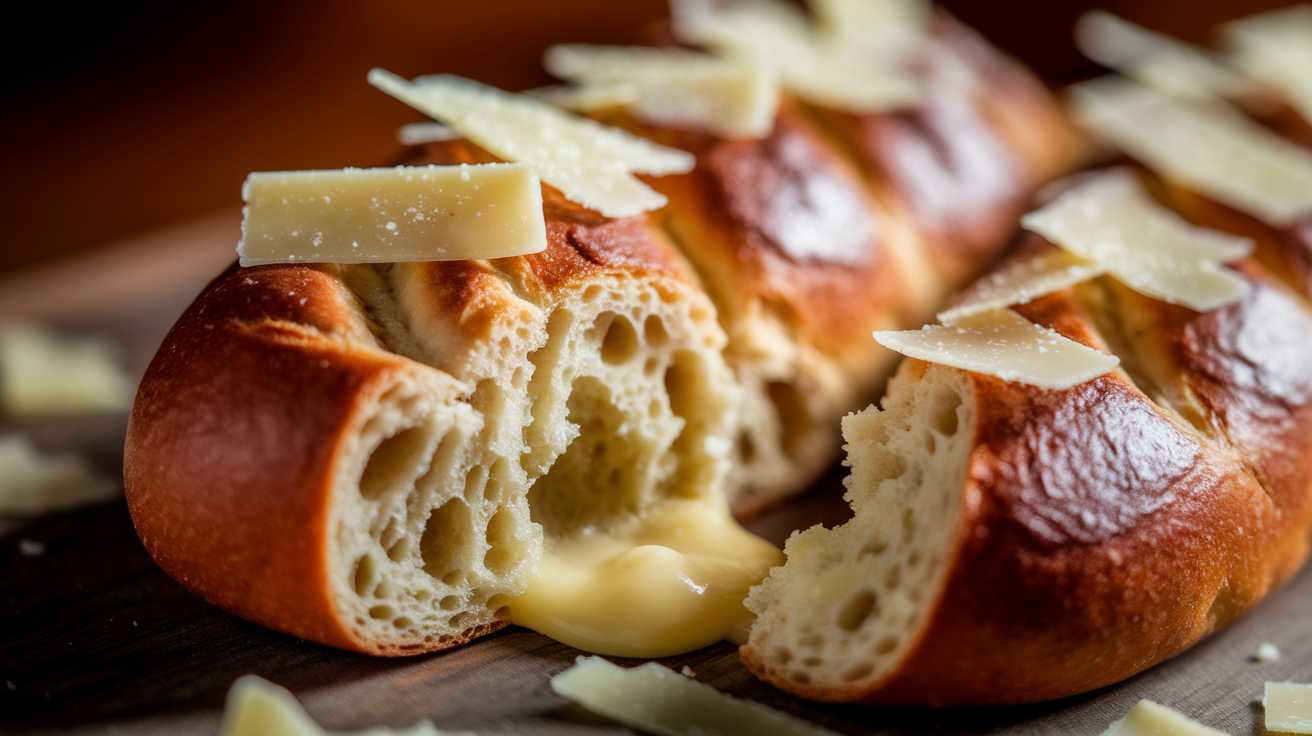
Olive Garden breadsticks taste like warm, pillowy rolls drenched in melted garlic butter and dusted with Parmesan. The garlic hits first (sharp, savory, unmistakable), followed by rich butter that soaks into the soft interior. Parmesan adds a salty, slightly nutty finish. The flavor’s simple and comforting, leaning hard on garlic and fat instead of any real complexity. If you like Texas Roadhouse rolls or Red Lobster Cheddar Bay Biscuits, you’ll recognize the same butter-forward approach. If you’re expecting artisan bakery flavor or a crisp crust, you’ll be disappointed. These are soft, yielding, designed to soak up sauce and butter, not stand alone.
Texture-wise, a fresh breadstick is tender and slightly springy, with a thin golden surface that gives way to a fluffy, almost cloud-like crumb. The outside shows no real crust, just a faint shimmer of butter and herbs. The inside pulls apart easily without any chew or resistance. When warm, they feel light and airy in your hand, almost too delicate to call “bread” in the traditional sense. Once they cool past that seven-minute mark, the texture shifts noticeably: the exterior loses its sheen, the interior tightens, and the whole stick becomes denser and slightly dry. Mouthfeel goes from soft and yielding to firm and bready. The garlic butter still coats your fingers, but the breadstick itself no longer melts on your tongue.
Freshness timing is critical. The first basket, delivered hot within minutes of ordering, offers peak flavor and texture. If you request a refill quickly (before the first basket empties), you’ll maintain that warm, just-baked experience throughout the meal. Let ten or fifteen minutes pass between refills, and you’ll taste the difference. Garlic flavor dulls, butter congeals slightly, and the bread starts to feel more like room-temperature sandwich bread than a restaurant treat. If your server is slow or forgets to check back, the unlimited promise loses much of its appeal because the product itself loses quality faster than most diners expect.
How Olive Garden’s Bottomless Breadstick Policy Actually Works
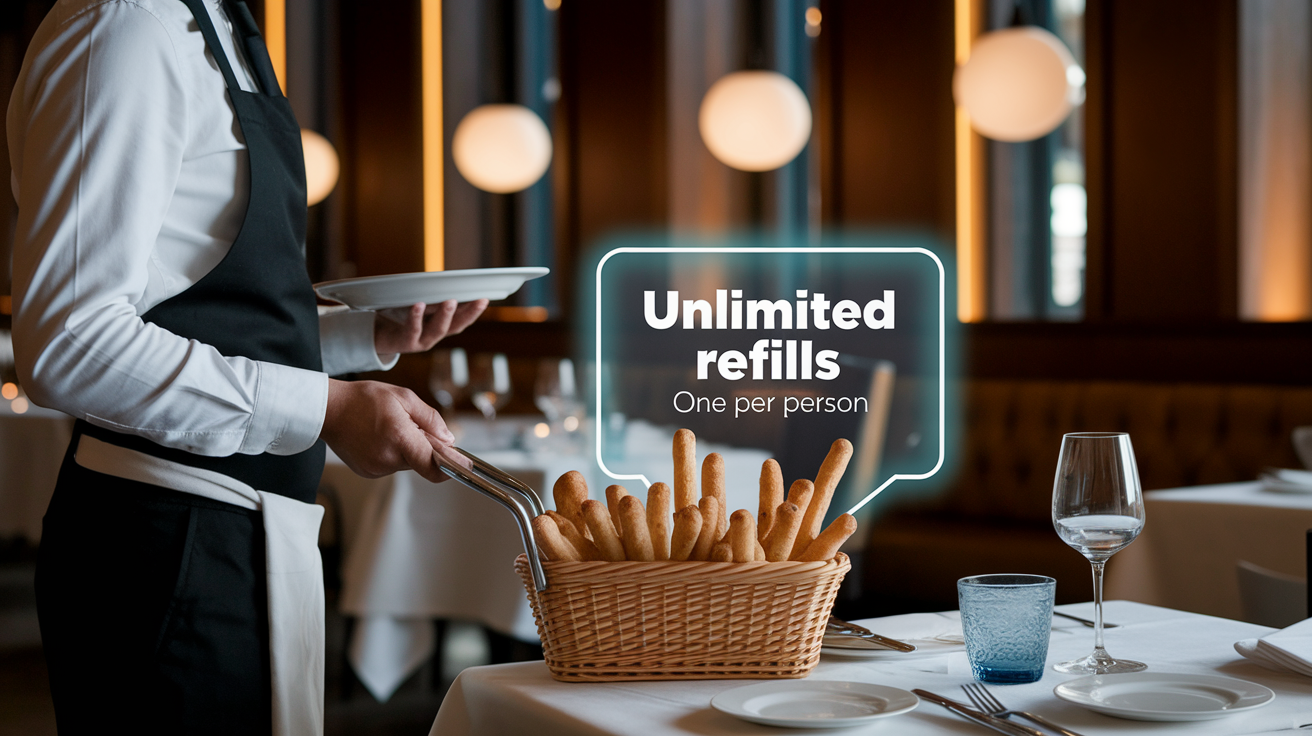
Corporate policy says there’s no numeric limit on breadstick refills, and the official line from Olive Garden’s spokesperson is that guests “can request” as many baskets as they want during their meal. In practice, it works like this: your first basket contains one breadstick per diner plus one extra, and each subsequent basket defaults to one breadstick per person unless you specifically ask for more. Servers are trained to bring refills proactively, but in many locations that means you’ll need to request a second or third basket rather than wait for staff to notice your empty basket.
Real-world enforcement is generally hands-off unless you trigger red flags. Managers step in when customers hoard breadsticks (stuffing them into purses or bags) or when someone eats an extreme number of baskets in a way that clearly abuses the spirit of the offer. Reddit anecdotes describe servers bringing seven or eight refills (roughly thirty breadsticks) before a manager intervened because guests were pocketing them. Another post mentioned a customer cut off after eating nine bowls during an unlimited pasta event. Those are outliers. For typical dining (even if you eat five or six baskets across a long meal), staff won’t question you. The refill policy only becomes an issue if you behave like you’re stocking a pantry rather than eating a meal.
Typical Refill Experience
Refill speed depends heavily on server workload, time of day, and location staffing levels. During weekday lunch or early-dinner windows, when the dining room is less crowded, servers often bring a second basket before you finish the first. On Friday or Saturday nights, when tables turn more slowly and servers juggle larger sections, you may wait five to ten minutes between refills even after signaling your empty basket. Some diners report needing to ask twice or flag down a manager to keep breadsticks coming, especially at understaffed locations. If your server is attentive, the unlimited promise feels genuine and seamless. If they’re stretched thin or distracted, you’ll feel the practical cap even though no official limit exists.
Nutritional Overview: Calories, Sodium, Carbs and Allergen Notes for Breadsticks
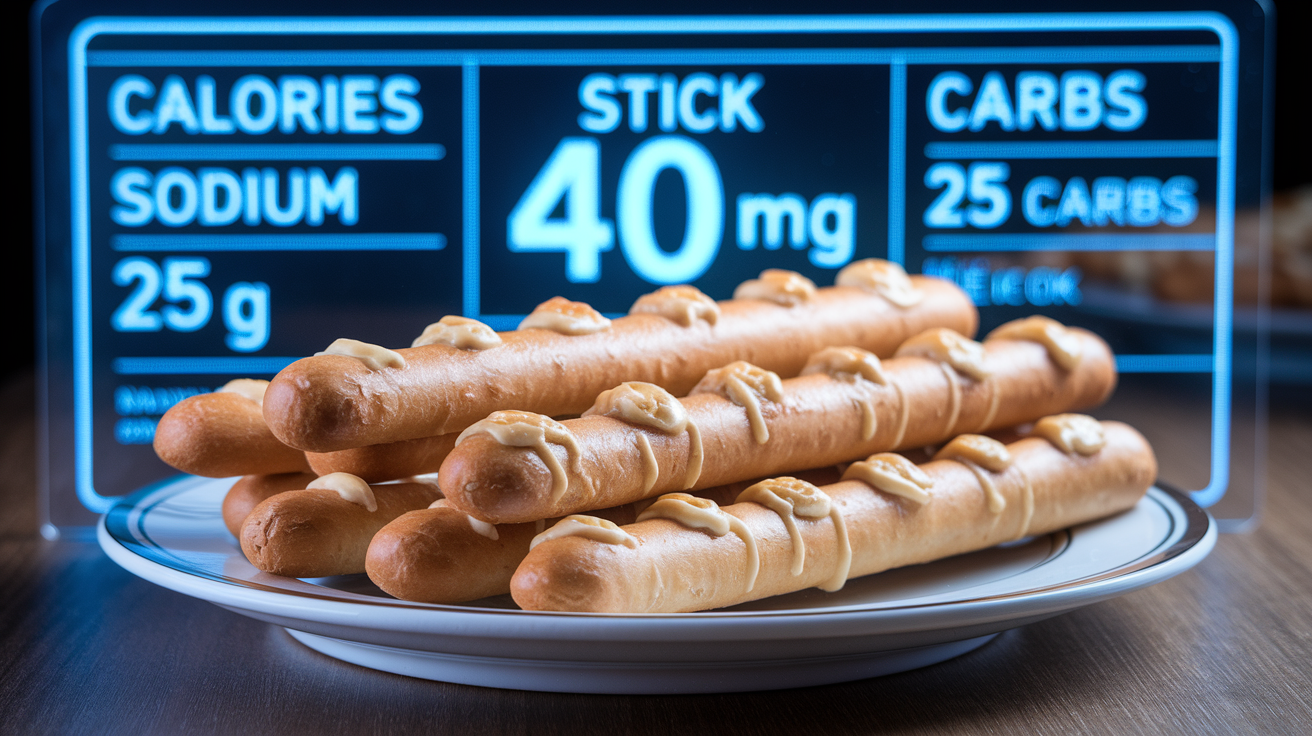
Each Olive Garden breadstick delivers roughly 140 calories, 2 grams of fat, 25 grams of carbohydrates, and about 400 milligrams of sodium. Those numbers climb when you factor in the garlic butter topping, which adds extra fat and salt. Eating three breadsticks before your entrée arrives puts you over 400 calories and 1,200 milligrams of sodium, nearly half the recommended daily sodium limit for most adults. The carb load is significant if you’re watching blood sugar or following a low-carb plan, and the breadsticks offer minimal fiber or protein to slow digestion. For anyone monitoring heart health or managing hypertension, the sodium content is the bigger concern, not the calorie count.
Portion control becomes difficult when refills keep arriving. If you’re ordering the unlimited breadstick, soup, and salad combo, it’s easy to consume five or six breadsticks without realizing you’ve added 700 calories and 2,000-plus milligrams of sodium before your main dish. The breadsticks themselves contain no particularly egregious ingredients, but the combination of refined white flour, butter, and salt makes them a high-glycemic, high-sodium indulgence rather than a balanced side. If you’re dining with kids or a large group, the cumulative intake across the table can be substantial, especially when everyone reflexively reaches for “just one more” every time a fresh basket appears.
Key nutritional and allergen considerations:
- Sodium – Each breadstick contains roughly 400 mg. Three sticks equal nearly half your daily limit.
- Carbs – 25 g per breadstick means five breadsticks deliver 125 g of refined carbs with minimal fiber.
- Allergens – Contains wheat, milk, and soy. Not safe for gluten or dairy allergies.
- Vegan and gluten-free – Breadsticks are neither vegan (butter, Parmesan) nor gluten-free. Olive Garden offers no alternative unlimited bread option.
Price, Cost-Per-Breadstick Estimate and Value-for-Money Scenarios
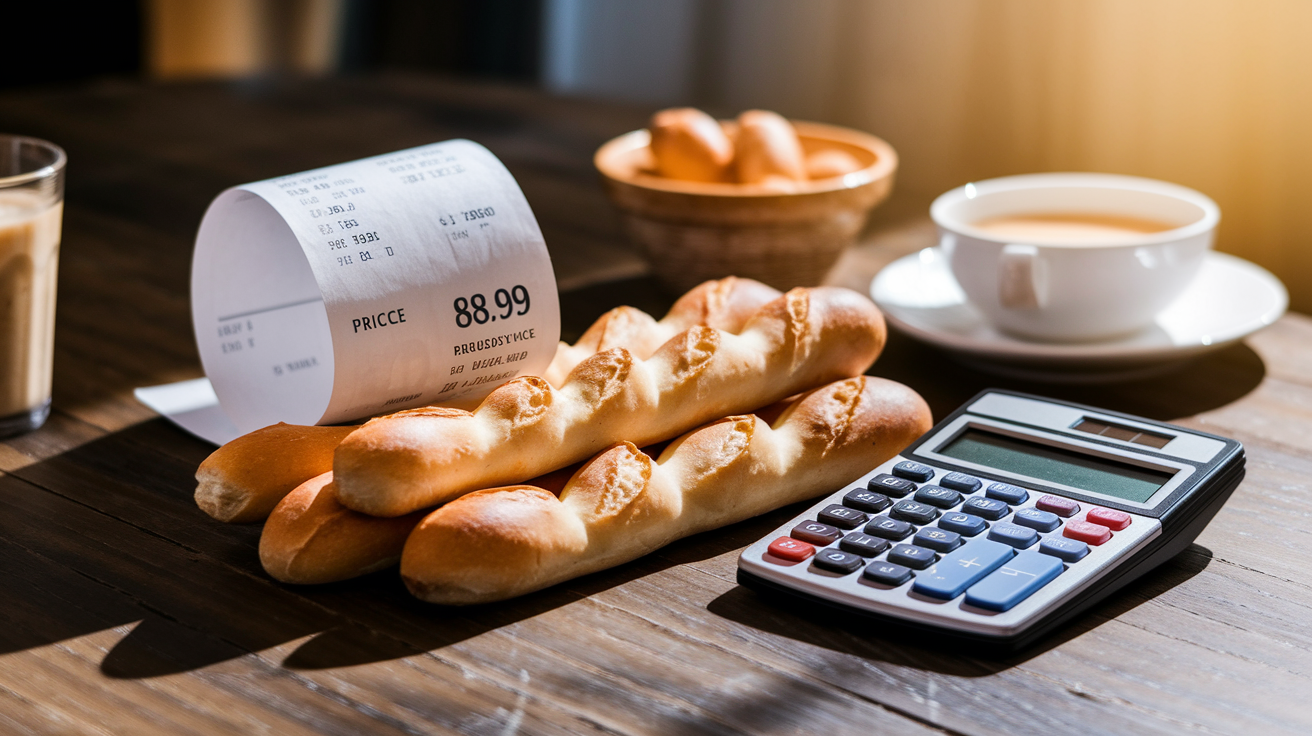
The unlimited breadstick offer is bundled with Olive Garden’s soup, salad, and breadsticks combo, priced at roughly $7.99 for lunch, $8.99 during the early-dinner window (3:00–5:00 p.m.), and $9.99 for standard dinner service. Prices vary slightly by location, but most guests pay between eight and ten dollars for unlimited access to breadsticks, a bowl of soup, and a serving of house salad. If you order an entrée instead, breadsticks and salad arrive automatically at no separate charge, making the cost-per-breadstick calculation harder to isolate but effectively zero once you’ve paid for your main dish.
To estimate cost per breadstick when ordering the combo, assume a conservative guest eats four breadsticks during the meal. At $8.99, that works out to roughly $2.25 per breadstick if you ignore the soup and salad. Poor value. But if you eat eight breadsticks, the effective cost drops to about $1.12 each, and at twelve breadsticks it falls to roughly 75 cents per stick. The value improves dramatically as consumption rises, rewarding hungry diners and penalizing light eaters who treat the combo as a small snack.
High-value scenarios include large families splitting multiple combo orders, groups who arrive genuinely hungry and request four or five refills, and diners who time their visit during the early-dinner discount window to maximize breadstick-to-dollar ratio. Low-value scenarios hit single diners who eat only two or three breadsticks, guests who order the combo out of habit rather than hunger, and anyone who lets half the basket go cold because refills arrived too slowly. If you’re budget-conscious and plan to eat fewer than five breadsticks total, you’re better off ordering an entrée and treating the included breadsticks as a free bonus rather than paying separately for the combo.
| Breadsticks Eaten | Estimated Effective Cost Per Breadstick |
|---|---|
| 4 breadsticks | ~$2.25 each (poor value) |
| 8 breadsticks | ~$1.12 each (solid value) |
| 12 breadsticks | ~$0.75 each (strong value) |
Comparing Olive Garden Breadsticks to Other Chain Restaurant Staples
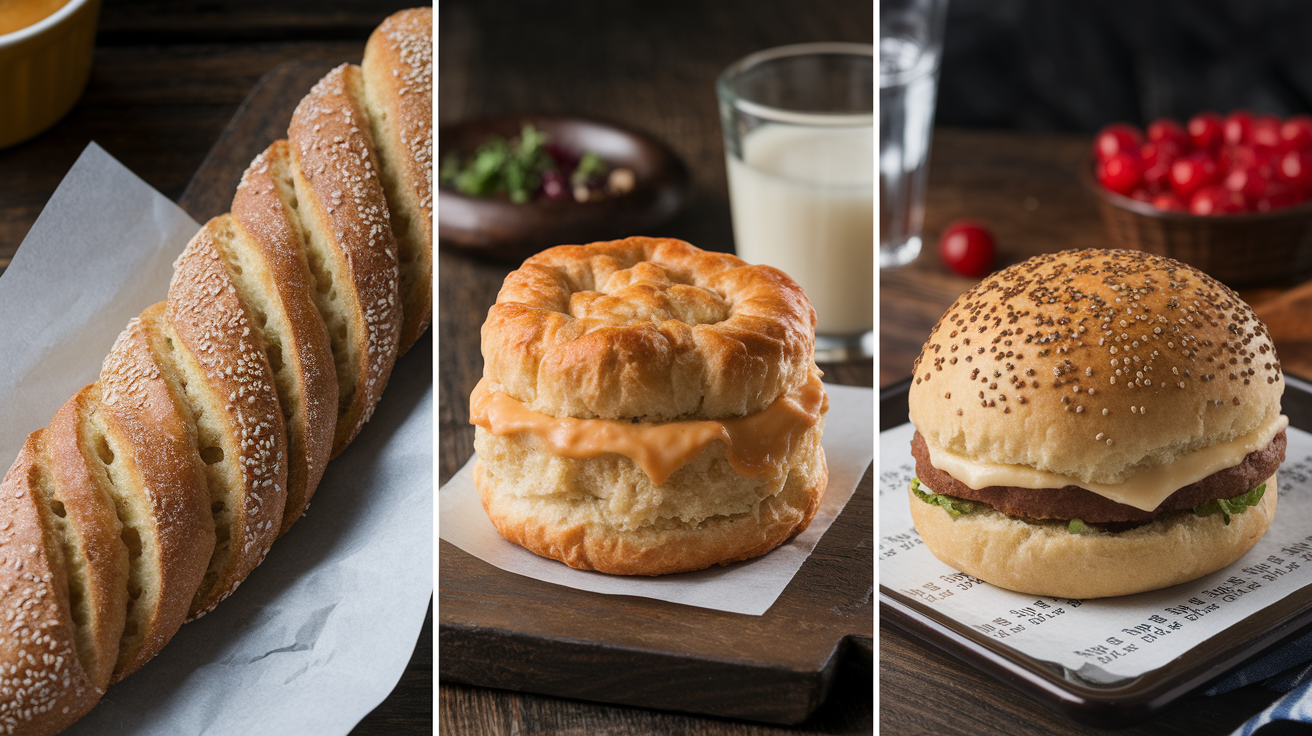
Olive Garden’s breadstick policy mirrors the approach used at its sister brand Red Lobster, where the first basket of Cheddar Bay Biscuits includes one per guest plus one extra complimentary biscuit, and subsequent refills follow a similar one-per-person default. Both chains use the “conversation starter” framing to justify the bonus item, and both require dine-in service to unlock unlimited refills. The key difference is flavor profile: Cheddar Bay Biscuits pack more richness and complexity with sharp cheddar and a garlic-herb brush, while Olive Garden breadsticks lean simpler with just butter, garlic, and Parmesan.
Other major chains offer signature bread or sides, but most don’t frame them as unlimited. Texas Roadhouse delivers warm yeast rolls with whipped cinnamon honey butter to every table, and servers refill baskets freely, but the chain doesn’t market the rolls as an official “unlimited” promotion. It’s more of an unspoken house practice. Outback Steakhouse serves a honey wheat bread loaf that arrives once per table with no automatic refills unless requested. LongHorn Steakhouse brings out warm bread with butter, but refills slow down after the first basket, and servers rarely offer more than two rounds. Olive Garden’s explicit unlimited promise, paired with a lower combo price point than most steakhouse entrées, positions the breadstick offer as more accessible and transparent than competitors who leave refill policies ambiguous.
Here’s how Olive Garden stacks up against competitor bread and side offerings:
- Red Lobster Cheddar Bay Biscuits – Unlimited with the same one-extra-item first-basket rule. Richer flavor and flakier texture than Olive Garden breadsticks.
- Texas Roadhouse Rolls – Unlimited in practice but not marketed as such. Sweeter and denser, served with cinnamon honey butter.
- Outback Honey Wheat Bread – One loaf per table, refills only if you ask. Hearty and slightly sweet, but not positioned as unlimited.
- LongHorn Steakhouse Bread – Warm bread with butter, limited to one or two baskets. Slower refills and less proactive service than Olive Garden.
- Golden Corral Buffet Bread Rolls – True unlimited via self-service buffet. No server dependency, but quality and freshness vary widely by location and time.
Real Customer Experiences and Refill Anecdotes
Reddit threads and review platforms are filled with stories of diners testing the unlimited breadstick promise, and most report that Olive Garden honors refills without resistance during normal meals. One widely shared anecdote describes a server bringing seven to eight breadstick baskets (roughly thirty sticks total) before a manager noticed guests stuffing extras into purses and intervened. Another post mentioned a diner cut off after consuming nine bowls during a separate unlimited pasta promotion, illustrating that while the chain avoids setting hard numeric limits, staff do step in when consumption crosses into clear abuse territory.
Google and Yelp reviews frequently mention slow refills as the main friction point. Diners report waiting ten or fifteen minutes for a second basket during peak hours, or needing to ask multiple times before a server returns with more breadsticks. Some reviewers describe servers who seem reluctant to bring a third or fourth refill, either hovering near the table to gauge whether guests are “done” or asking pointed questions like “Are you sure you need more?” Those experiences are location-dependent. High-volume or understaffed restaurants struggle to maintain the seamless refill flow that makes the unlimited offer feel genuinely unlimited.
TikTok videos and Instagram reels occasionally go viral when creators document eating absurd quantities of breadsticks, often framing the challenge as “How many breadsticks before Olive Garden cuts me off?” Most of these videos show servers complying with refill requests up to a dozen baskets or more, as long as the guest remains polite and doesn’t attempt to remove food from the premises. The social-media trend has reinforced the chain’s reputation for honoring its unlimited promise, even when diners clearly push the boundaries, but it has also prompted some locations to watch for customers filming or behaving in ways that suggest they’re treating the meal as a stunt rather than genuine dining.
When Diners Get Cut Off
Managers typically intervene in three specific scenarios: when guests hoard breadsticks by wrapping them in napkins or placing them in bags, when someone eats an extreme number of baskets (eight or more in a single sitting) in a way that disrupts kitchen workflow or appears wasteful, and when customers arrive within thirty minutes of closing and request multiple refills that delay staff cleanup. The 2014 investor report that criticized breadstick portioning highlighted these edge cases as cost concerns, and while corporate policy still promises no cap, individual managers retain discretion to stop refills if they believe a guest is abusing the system. Polite, steady consumption (even at high volumes) rarely triggers pushback. It’s the combination of high quantity and suspicious behavior that prompts staff to step in.
Dipping Sauces and Menu Pairings That Improve Breadstick Enjoyment
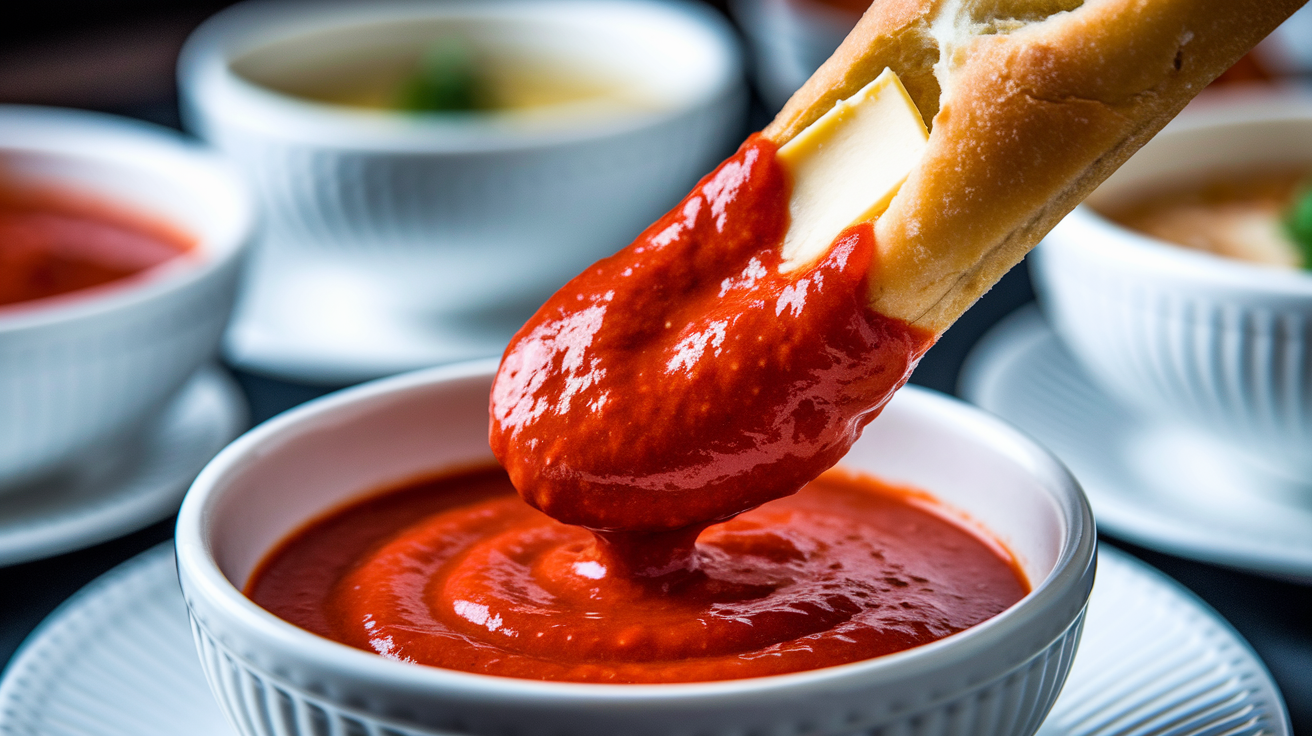
Olive Garden’s breadsticks arrive pre-buttered and salted, so they don’t technically require dipping sauce, but pairing them with marinara, Alfredo, or soup transforms them from a simple side into a more satisfying carb vehicle. The house marinara (a smooth, slightly sweet tomato sauce with mild garlic and herb notes) works well if you want to cut the butter richness and add acidity. Dunking a warm breadstick into a bowl of Zuppa Toscana (the sausage, kale, and potato soup) is a customer favorite. The creamy broth clings to the soft bread, and the slight spice from the sausage balances the garlic butter on the breadstick.
Pairing breadsticks with the unlimited soup-and-salad combo is the most common approach, and it works because the salad provides crunch and acidity to break up the monotony of soft, buttery bread. The Chicken & Gnocchi soup (described in reviews as a “warm hug”) offers a thick, creamy base that makes breadsticks feel almost like a spoon, while the Minestrone, a lighter vegetable-and-bean option, lets the breadstick flavor stay front and center. The Pasta e Fagioli, a beef-based soup with pasta and beans, is often criticized as bland, and dipping breadsticks into it doesn’t improve either component. If you’re ordering an entrée, dragging a breadstick through leftover Alfredo sauce or meat sauce on your plate is a practical and flavorful way to finish the meal without waste.
Best pairings to elevate breadstick enjoyment:
- Zuppa Toscana – Creamy, slightly spicy sausage-and-potato soup that clings to the breadstick and adds richness.
- Marinara sauce – Cuts through butter with acidity. Order a side cup if your entrée doesn’t include it.
- Chicken & Gnocchi soup – Thick and comforting. The breadstick acts almost like a dumpling when dipped.
- House salad with Italian dressing – Use the breadstick to scoop up extra dressing and veggies for a textural contrast.
Tips to Maximize the Unlimited Breadstick Experience Without Issues
Timing your refill requests is the single most effective way to keep breadsticks warm and plentiful throughout your meal. Signal your server as soon as the first basket is down to one or two breadsticks rather than waiting until the basket is empty. Servers often take several minutes to return with a refill, and you’ll avoid the gap where you’re left waiting while breadsticks cool. If you’re dining during peak hours, make eye contact and politely ask for the next basket before your server walks away from the table. This prevents the situation where they assume you’re done and move on to other tables.
Avoid behaviors that raise red flags with staff. Don’t wrap breadsticks in napkins, place them in purses, or ask to box extras for later. Those actions violate the dine-in-only policy and may prompt a manager to cut off future refills. If you genuinely want extra breadsticks to take home, ask your server about ordering a to-go side of breadsticks for a small upcharge rather than trying to sneak them out. Restaurants track guests who abuse unlimited offers, and repeat offenders may find their refills slowing or stopping entirely on future visits.
Four steps to maximize breadstick refills and freshness:
- Request your first refill early – Signal the server when two or three breadsticks remain, not when the basket is empty.
- Arrive during off-peak hours – Lunch or early-dinner windows (3:00–5:00 p.m.) mean faster service and more attentive refills.
- Ask for extra breadsticks per basket – The default refill is one per person, but servers will bring more if you request it directly.
- Pace your meal to keep breadsticks warm – Eat steadily rather than letting baskets sit. Request a new basket every ten minutes to maintain peak freshness.
Final Words
We tested taste, counted refills, and did the price math so you don’t have to. The post covers garlic-butter flavor, how quickly breadsticks lose heat, refill notes, nutrition highlights, and value scenarios.
Bottom line: Olive Garden unlimited breadsticks review are they worth it, yes if you’re hungry or feeding a group, probably not if you eat light. It’s warm, garlicky comfort that pays off for bigger appetites. Worth a try.
FAQ
Q: Can you actually get unlimited breadsticks at Olive Garden?
A: You can get unlimited breadsticks at Olive Garden: corporate says dine‑in refills are bottomless, though first baskets follow the one‑per‑person plus one extra pattern and managers may limit extreme cases.
Q: Why are older people staying away from Cracker Barrel and Olive Garden?
A: Older people are staying away from Cracker Barrel and Olive Garden because higher prices, health or diet needs, accessibility or parking issues, slower service, and shifting tastes push them toward other dining options.
Q: Are the Olive Garden breadsticks good?
A: Olive Garden breadsticks are soft, warm, and brushed with garlic butter when fresh; they taste satisfying and filling, but quality often falls after about seven minutes, so eat them right away.
Q: Why does Olive Garden serve endless bread sticks?
A: Olive Garden serves endless breadsticks to boost perceived value, keep diners happy, and drive main‑course orders — a low‑cost way to encourage guests to stay, eat, and return.